How to Automate Recurring Tasks in Your Small Business
Disclosure: We may earn a commission when you purchase through links on this site, at no extra cost to you. How we make money.
There’s a particular kind of busy that small business owners live in — not the productive kind, but the administrative kind. You send the same weekly update email. You create the same invoice for the same retainer client. You add the same tasks to a project board every time you start a new client. You follow up on the same unpaid invoice. You post the same type of content to the same platforms on the same schedule. None of these tasks require your expertise. None of them move your business forward. They’re maintenance work — necessary, repetitive, and perfectly suited to be handled by an automation running in the background while you focus on the work that actually requires you. The goal of this guide is simple: identify the ten recurring tasks that consume the most hours in a typical small business week, and build the exact automation to eliminate each one.
Step One: Find Your Recurring Time Drains
Before building any automation, spend 15 minutes doing a recurring task audit. Go through the last two weeks of your calendar, task list, and sent emails and identify every task you did more than once. Write them all down — no filtering yet. Then sort them by two criteria:
- How often does this happen? Daily and weekly tasks have the highest automation ROI. Monthly tasks matter but are lower priority.
- Is this task triggered by a consistent event? Automations work by responding to triggers. If a task always happens after the same event (client pays invoice, contract signed, form submitted, date arrives), it can be automated. If it requires judgment about whether to do it, it can’t.
The tasks that score high on both — happen frequently, triggered by a consistent event — are your automation targets. Most small businesses find the same ten tasks on this list.
The 10 Most Common Recurring Tasks (and Their Automations)
1. Weekly Client Update Emails
The task: Every week, you write and send status update emails to active clients. The structure is the same every time — what was completed, what’s in progress, what’s next.
The automation: In ClickUp or Notion, create a project status report view that pulls current task statuses automatically. Use Zapier to trigger an email via Gmail every Monday morning with a link to that live status view. For clients who want narrative updates rather than a link, use a scheduled Make.com scenario to pull task data from your PM tool and populate an email template with the week’s completions and upcoming items.
Time saved: 30–60 minutes per week per active client.
2. Monthly Invoice Creation
The task: Retainer clients get the same invoice every month. You open your accounting tool, duplicate last month’s invoice, update the date, and send.
The automation: Every invoicing tool worth using — Wave, FreshBooks, QuickBooks — has recurring invoice functionality built in natively. Set it up once: client name, services, amount, billing date, send automatically. No Zapier needed. If you’re also creating the invoice based on a project completion trigger (rather than a fixed date), a Zapier or Make automation can create the invoice when a project status changes to “Complete” in your PM tool.
Time saved: 10–15 minutes per client per month. At 10 retainer clients, that’s 100–150 minutes monthly recovered.
3. Follow-Up on Unpaid Invoices
The task: Every week you scan your invoice list for overdue payments, then manually send follow-up emails with varying levels of directness depending on how late the payment is.
The automation: FreshBooks, QuickBooks, and Wave all have automated payment reminder sequences — configure reminders at 3 days before due, on due date, 7 days overdue, and 14 days overdue. Each reminder is a separate template you write once. After that, the system monitors payment status and sends reminders on schedule without you checking anything.
Time saved: 20–45 minutes per week, plus the revenue recovered from invoices that would have slipped further past due.
4. New Client Project Setup
The task: Every time a new client comes on board, you create a project folder, set up a project board with standard tasks, create a client portal, and send a welcome package. Each step is manual.
The automation: This is the most valuable recurring task to automate because it compounds — every new client triggers a multi-step sequence that takes 30–90 minutes manually. The full workflow (intake form → CRM record → welcome email → contract → project board creation → invoice) can be automated end-to-end using Zapier or Make. The complete step-by-step build is covered in our guide on automating client onboarding as a freelancer.
Time saved: 30–90 minutes per new client.
5. Social Media Scheduling
The task: Every week you manually post content to two or three platforms, trying to remember which content went where and maintaining a consistent presence without a system.
The automation: Schedule a recurring weekly block in your calendar for content batching — use an AI tool to draft five posts in 20 minutes, then load them into Buffer or Later to auto-publish throughout the week. The scheduling itself is automated; your only recurring task is the batching session, which itself can be made more efficient with templates and AI drafting tools. For the content creation layer, Zapier can auto-post from an Airtable content calendar to Buffer when a record’s status changes to “Ready to Publish.”
Time saved: 2–4 hours per week for businesses currently posting manually.
6. Weekly Team or Personal Task Review
The task: Every Monday you review your task list, identify what needs to happen this week, and set up your priorities — a process that involves opening multiple tools and manually assembling a picture of the week.
The automation: ClickUp‘s recurring tasks feature creates a “Weekly Review” task every Monday automatically, pre-populated with a checklist template of your standard review steps. Notion’s recurring database entries work the same way. This doesn’t eliminate the review itself — it eliminates the setup overhead and ensures the review always happens rather than getting skipped in busy weeks.
Time saved: 15–20 minutes in overhead per week, plus the value of reviews that would otherwise be skipped.
7. Meeting Preparation
The task: Before every client call, you manually pull together notes, check the project status, and send a reminder to the client with the agenda.
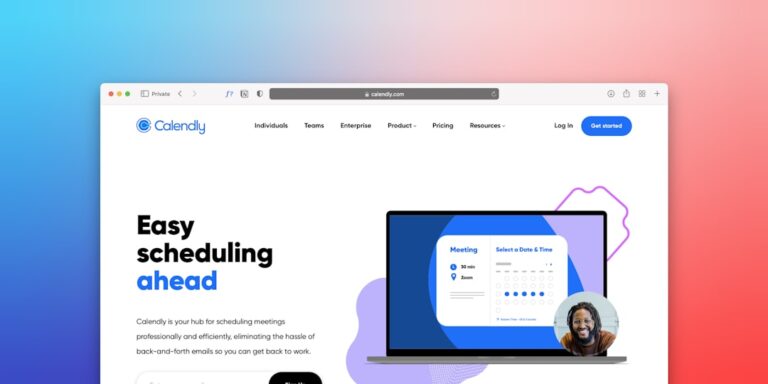
The automation: A Zapier automation triggered by a new Calendly booking can: create a meeting prep task in your PM tool with the client name and meeting date, send a pre-meeting questionnaire to the client automatically, and add a “Review notes before call” reminder to your calendar 30 minutes before the event. The meeting prep template pre-populates with the client name and call date pulled from the Calendly data.
Time saved: 15–20 minutes per meeting, with the added benefit of clients arriving better prepared because the questionnaire went out automatically.
8. Lead Follow-Up Sequences
The task: After a discovery call or proposal, you manually follow up at day 3, day 7, and day 14 if you haven’t heard back — tracking each lead in your head or a spreadsheet to remember who needs what.
The automation: In your CRM (Notion, Airtable, or a dedicated tool), set up a status field for “Proposal Sent.” A Zapier automation monitors for records with that status and automatically enqueues a follow-up email sequence: day 3 soft check-in, day 7 value-add email, day 14 final follow-up. Status changes to “Won” or “Lost” stop the sequence automatically. This is the most direct revenue-generating automation on this list — consistent follow-up significantly increases close rates, and most solopreneurs follow up inconsistently because it requires active memory.
Time saved: 20–30 minutes per lead per week, plus the revenue impact of consistent follow-through.
9. Expense Tracking and Categorization
The task: Every week or month you collect receipts, match them to bank transactions, and categorize expenses — a mechanical process that takes 30–60 minutes and requires no judgment once the categories are established.
The automation: Connect your business bank account to Wave, QuickBooks, or FreshBooks for automatic transaction import and AI-assisted categorization. The AI categorizes transactions based on merchant name and your past categorization patterns. Your only recurring task is a 5-minute monthly review to confirm categories and flag anomalies — the mechanical matching and data entry happen automatically.
Time saved: 30–45 minutes per month.
10. Content Repurposing
The task: After publishing a blog post or sending an email newsletter, you manually create social posts, pull out key quotes, and reformat the content for other channels — a process that takes 30–60 minutes per piece of content.
The automation: Use a Make.com scenario to detect new blog posts via RSS feed, extract the content, and send it to an AI writing tool with a prompt to generate three social media posts. The generated posts land in a draft buffer for review before publishing — you edit and approve rather than write from scratch. For the full multi-step Make workflow that handles this, see our Make.com automation examples for service businesses.
Tools That Power These Automations
| Tool | Free Tier | Paid Entry | Best For |
|---|---|---|---|
| Zapier | 100 tasks/mo | $19.99/mo | Simple trigger-action automations |
| Make.com | 1,000 ops/mo | $9/mo | Multi-step, branching workflows |
| ClickUp | 100 automations/mo | $7/user/mo | Task and project automation |
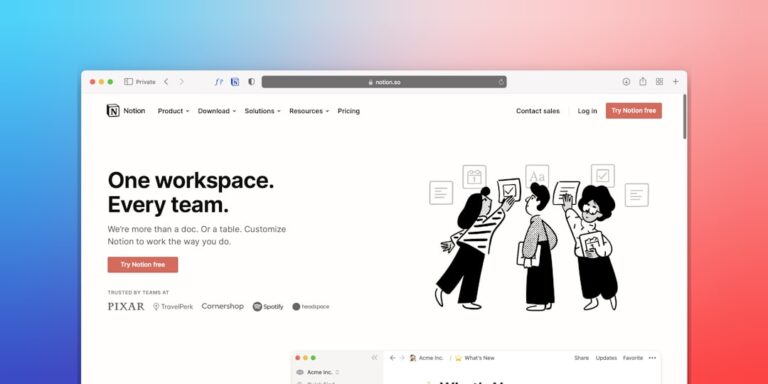
| Notion | Unlimited pages | $10/mo | Flexible workspace + recurring entries |
| Airtable | 1,000 records/base | $10/user/mo | Database-triggered automations |
| Calendly | 1 event type | $10/mo | Meeting booking triggers |
Where to Start: The Highest-ROI Automations First
If you’re new to automation, don’t try to build all ten workflows at once. Start with the two or three that will recover the most time or prevent the most revenue leakage:
- Invoice follow-up sequences — direct revenue impact, takes 30 minutes to configure natively in your invoicing tool, no external automation required
- New client onboarding — highest single-event time cost, most leverage from a one-time build
- Lead follow-up sequences — direct impact on close rates, typically the most neglected recurring task in a solopreneur’s workflow
Get those three running reliably before expanding. Each successful automation builds your confidence and your familiarity with the tools — making each subsequent build faster. For a broader framework on approaching no-code automation as a beginner, our guide to automating your small business without coding covers the mental model and tool selection process in detail.
- The highest-ROI recurring task automations for small businesses are invoice follow-up sequences, new client onboarding, and lead follow-up — start with these three before building anything else.
- Most recurring task automations require no code — Zapier handles simple trigger-action flows, Make.com handles multi-step branching logic, and both connect to the tools you already use.
- Native automation inside tools you already pay for (recurring invoices in FreshBooks, recurring tasks in ClickUp, automated reminders in your CRM) should be configured before adding external automation layers.
- Monitor automation run history monthly — automations break silently when tools update, and a month of missed follow-ups or unsent invoices creates more damage than the time the automation saved.
- Build in priority order: highest time cost and most direct revenue impact first, then expand to lower-stakes workflows once you have confidence in the system.
Frequently Asked Questions
How much does it cost to automate recurring business tasks?
The tools you need to automate the ten tasks in this guide cost between $0 and $40/month depending on your volume and which tools you’re connecting. Zapier’s free tier (100 tasks/month) covers 3–5 simple automations at typical small business volume. Make.com’s free tier (1,000 operations/month) covers more complex workflows at the same volume. Most small businesses can automate their highest-impact recurring tasks for under $20/month — less than the hourly cost of doing those tasks manually once.
Do I need to know how to code to automate recurring tasks?
No — every automation in this guide uses visual, point-and-click tools with no coding required. Zapier and Make both use module-based interfaces where you select a trigger (what starts the automation), an action (what the automation does), and map the data fields between them. The learning curve is understanding how triggers and actions connect conceptually, not technical skills. Most small business owners build their first working automation within an hour of creating a Zapier account.
What if an automation runs when it shouldn’t?
All automation platforms have filters — conditions that must be true for an automation to proceed. If your automation should only send a follow-up email when an invoice is unpaid (not when it’s paid), add a filter that checks the payment status before sending. Building filter logic into every automation is standard practice and prevents the most common misfires. Test thoroughly with your own email address before going live, and add filters conservatively whenever there’s any scenario where the automation running would cause a problem.
How do I automate recurring tasks that don’t have a clear digital trigger?
Some recurring tasks are triggered by your own schedule rather than a system event — the weekly review, the monthly bookkeeping check, the quarterly goal assessment. For these, use scheduled automations: Zapier’s “Schedule” trigger fires at a time you specify (every Monday at 8am, first of the month, etc.) and kicks off whatever sequence follows. ClickUp and Notion handle this with recurring task creation — the task appears on the right day automatically, with a checklist pre-loaded, waiting for you to work through it. The automation doesn’t do the task; it ensures the task never gets forgotten. For more on building a full no-code automation stack, our guide on the best Zapier automations for solopreneurs covers additional workflows beyond what’s in this guide.
How long does it take to set up these automations?
Simple single-step automations (invoice reminder, meeting booking notification) take 15–30 minutes to configure and test. Multi-step workflows (full client onboarding sequence, lead follow-up chain) take 60–120 minutes for the first build. The setup time is a one-time cost — once running, these automations require no ongoing maintenance beyond monthly health checks. At 5 hours per week recovered, the most complex automations pay back their setup time within the first week of operation.
Related Reading
- How to Use AI for Small Business Bookkeeping Tasks via BizRunBook
- Klaviyo vs Mailchimp for Small Ecommerce Stores 2026 via SaaSSleuth